Peptides,graded by acardiologist.
Some peptides are among the most important medicines of our lifetime. Others are rat studies with excellent marketing. Dr. Afshine Emrani tells you which is which, checks what is really in the vial, and sets your stop rule before you start.
- 30yrsNearly three decades caring for patients in Los Angeles
- 1,200+Online patient reviews
- 4.9★Average rating across those reviews
- 2008Castle Connolly Top Doctor every year since
- 3languagesEnglish, Farsi and Spanish, in person

Scientific. Then personal.
Graded like a lab. Lived like a life.
The evidence grades are how we decide. This is why we bother: more energy, a body that moves well, and a heart that keeps up with everything you still want to do.
Models. Images are illustrative and do not show patient results.Most clinics prescribe after a questionnaire. We start with the cause, because a treatable cause is often hiding behind the request for a peptide.
Afshine Emrani, MD, FACC
Seven areas of care
Start with your goal. Not the vial.
Every area opens with a real exam and baseline labs. The grade on each card is the strength of human evidence for its leading treatment.
The proven heavyweights.
Semaglutide and tirzepatide, with a plan to protect your muscle while the weight comes off.
Sermorelin, measured.
After a real diagnosis.
Evidence-backed bets first.
Where peptides shine.
Fog is a symptom, not a diagnosis.
Sleep, thyroid, B12 and iron come first.
A heart check comes first.
Erectile problems can be an early warning sign for the heart.
What the evidence is for
Feel strong. Look alive. Stay well.
Every goal below starts with an exam and labs, and ends with a grade you can see. Tap a goal to see its treatments.
 AWeight & metabolicThe weekly shot with the strongest evidence of any peptide.Semaglutide and tirzepatide, with a plan to protect your muscle.
 BEnergy & healthy agingStrength first. Then the extras.Blood pressure, LDL, blood sugar, strength and sleep, measured and tracked.
 CRecoveryRehab, then maybe a vial.
 BSkinWhere peptides shine.
“The goal isn’t more peptides. It’s more life, with fewer surprises.”
Book a consultation →Models. Images are illustrative and do not show patient results.
The cause comes first. The vial comes later, if ever.
Three visits' worth of thinking before anyone opens a vial. If the basics solve the problem, you just saved money and risk.
Consultation and exam
One goal in one sentence. A full history, medication review, blood pressure and an exam where it matters. We check whether you are in a group that should not use unapproved peptides.
Labs and a 30-day foundation
Baseline labs, up-to-date cancer screening, and 30 days of sleep, strength and protein.
A graded decision, together
If a medicine still fits, we prefer an FDA-approved one. If you choose a peptide, it comes from a licensed pharmacy, as a single ingredient, with a log, a review date and a stop rule.
Every treatment, with its grade and legal status.
Seven areas of care. Every treatment shows its evidence grade and legal status, so you know exactly what you are being offered. Prescriptions are written only after a consultation, and only if they are right for you.
What we won’t prescribe
- “Research use only” vials, under any label
- Premixed blends, including the “Wolverine” BPC-157 and TB-500 vial
- Multi-peptide “longevity stacks” started all at once
- Gray-market “retatrutide” before FDA approval
- Melanotan II, for tanning or anything else
- Growth-hormone peptides without IGF-1 and glucose monitoring
- BPC-157 or TB-500 for athletes in tested sport (WADA-banned)
- Any unapproved peptide without current cancer screening
Compounded medications are not FDA-approved and have not been reviewed by the FDA for safety, effectiveness or quality. FDA-approved brand-name drugs are prescribed according to their labels. Grades reflect the strength of human evidence for the use listed, as of November 2026.
A rat study and an FDA approval are both called “research.”
So every claim here carries a letter. A low grade does not mean a peptide is useless. It means we do not know yet, and “we don’t know” is never the same as “yes.”
Proven
Large, randomized human trials. FDA-approved for that use.
Semaglutide and tirzepatide for weight loss
Real human data
Human trials that are smaller, shorter, or for a different use.
Topical GHK-Cu for skin; tesamorelin beyond HIV
Mostly animals
Animal or lab data, with a few small human studies.
BPC-157 for tendon healing
Mostly marketing
Mechanism, marketing or anecdote.
Most “anti-aging” claims for injected longevity peptides
The evidence ladder
Most peptides sold online live on rungs 1 and 2. Grades A and B start at rung 4.
How to judge any dose you are quoted
The FDA-approved (or foreign-approved) prescribing label, built on large trials.
The most reliable dose that exists.Doses actually given to humans in published studies, even small ones.
Real human exposure, not proof of benefit or long-term safety.Protocols from clinics, newsletters and forums, usually extrapolated from animals.
Unvalidated. No human trial has tested them.When a clinic hands you a Tier 3 protocol, you deserve to know it. We always tell you which tier your dose comes from.
Every peptide you have heard about, in one honest table.
Filter by grade, goal or legal status. Select a row to read what Dr. Emrani tells his own patients.
| Peptide | Grade | Main claim | FDA status | October 2026 policy | Details |
|---|
Grades refer to the use people most often seek. Status current as of November 2026; peptide regulation is changing month by month.
Nine steps, four phases, three places to stop.
Three of the questions can end the journey before anyone opens a vial. That is usually good news.
Name it
- Name the problem in one sentence. “I want my Achilles to stop hurting so I can run again,” not “I want to optimize.”
- Find the cause with an exam and the right tests.
Fix the basics
- Try the proven first step: rehab, sleep, strength, protein, an approved medicine.
- Check whether you are in a stop group.
Grade and source it
- Prefer an approved drug when one exists.
- Check the grade and status. Grade D, or outside the 2026 policy: stop.
- Licensed pharmacy, prescription for you, single ingredient, a COA for your lot.
Measure and review
- One product, a baseline, a measurable goal, a time frame, labs, a stop rule.
- Log and review. Continue only if the benefit is real and the labs are clean.
One compound.One goal.One measure.One stop date.
Should you be in the stop group?
Tick anything that applies to you. Nothing you enter leaves this page. This is education, not a medical evaluation.
A door opened halfway, with a sign that says “proceed at your own risk.”
On October 28, 2026, HHS said it will not take enforcement action against state-licensed pharmacies and physicians that compound six peptides, as long as they meet ten conditions. It is a draft policy. It is not FDA approval, and it does not say any of the six is safe or effective.
| Covered peptide | Routes covered | Grade |
|---|---|---|
| BPC-157 | Injection, oral, topical | C |
| TB-500 | Injection only | C |
| MOTS-c | Injection only | C |
| Semax | Nasal only | C |
| Epitalon | Injection only | D |
| KPV | Topical and oral only | D |
An injectable Semax or KPV falls outside the policy. So does every premixed blend.
How we got here
FDA places BPC-157, TB-500 and others in “Category 2” for safety concerns. Pharmacies stop compounding them.
An FDA advisory committee votes against CJC-1295 in every form reviewed.
Twelve peptides come off Category 2 for re-evaluation.
FDA’s compounding advisory committee recommends six of seven. BPC-157 passes 8 to 6.
HHS issues the enforcement discretion policy for the six.
Second review planned: GHK-Cu, LL-37, Dihexa, PEG-MGF, Melanotan II.
The ten conditions a pharmacy must meet
- Uses only the six listed peptides.
- Matches the exact identity and route HHS specified.
- Raw ingredient from an FDA-registered facility, with a valid certificate of analysis for identity, purity, potency and contaminants.
- Original manufacturer is FDA-registered, follows good manufacturing practice, and is named on the certificate.
- Reports serious adverse events and quality problems to FDA MedWatch and to the states.
- Label reads: “This is a compounded drug product. Not for resale.”
- One active ingredient per product. No blends.
- Any oral form comes with proof it is absorbed in humans.
- The only device included is an FDA-cleared syringe.
- Everything else follows federal law, including a valid prescription for a specific patient.
October 28 changed where these peptides can be made. It did not change what science knows about them.What Dr. Emrani tells his patients
Summary current as of November 11, 2026. The policy is a draft (docket HHS-OASH-2026-0496), can be withdrawn without notice, and does not bind state boards of pharmacy or medicine. Research-use-only products are not covered. BPC-157 and TB-500 remain banned in tested sport. Compounded peptides are cash-pay.
Source first, molecule second.
The scariest peptide risk is rarely the molecule. It is the vial. A vial can be 99% pure and still fail sterility, so “99% pure” starts the conversation. It does not end it.
| Test | The question it answers | Why it matters |
|---|---|---|
| Identity | Is this the right molecule? | Some tested vials hold the wrong peptide, or none |
| Purity (HPLC) | How much of the material is that molecule? | Impurities can cause reactions |
| Net content | How many milligrams are really in the vial? | A “10 mg” vial holding 6 mg throws off every calculation |
| Sterility | Are living microbes present? | Abscess or bloodstream infection |
| Endotoxin | Are bacterial toxins present? | Fever, chills, shock-like reactions |
| Metals, solvents | Are manufacturing leftovers present? | Long-term toxicity |
Red flags on a COA or a seller
- No lot number, or one that doesn’t match your vial
- No independent lab named, or a lab you can’t find
- Purity only, with no identity, sterility or endotoxin testing
- The same COA reused for months
- “Research use only” paired with human dosing advice
- Crypto-only payment, no address, no pharmacist to call
- Premixed blends, or prices far below everyone else’s
Twelve questions for any compounding pharmacy
We expect a pharmacy to answer these before we send a prescription. Bring them to any clinic, including ours.
- Are you a state-licensed 503A pharmacy, and in which states?
- Is this peptide one of the six in the October 2026 HHS policy?
- Is the route you dispense the route HHS lists?
- Who made the raw peptide, and is that facility FDA-registered?
- May I see the certificate of analysis for my lot?
- Did it test identity, purity, potency, endotoxin, metals and microbes?
- Is my product a single active ingredient?
- Is it labeled “This is a compounded drug product. Not for resale”?
- What is the exact concentration and beyond-use date?
- How should it be stored and shipped?
- Do you report serious side effects to MedWatch?
- Which pharmacist can I call with a question?
Decide your stop rule before you start.
It is much easier to stop a peptide you agreed to stop than one you have fallen in love with. “No change” is a result. It means stop paying for it.
| When | Who | What we check |
|---|---|---|
| Before | Everyone | CBC, metabolic panel, glucose and A1C, lipids, TSH; blood pressure, weight, waist; cancer screening up to date |
| 4–8 weeks | Growth-hormone peptides | IGF-1, fasting glucose |
| 3 months | GH peptides; GLP-1 drugs | IGF-1, A1C, metabolic panel, lipids |
| 3–6 months | Anyone continuing | The panel that matters for that drug |
| Any time | Everyone | New symptom: call. Don’t wait for the next check. |
Stop and call the same day for
- Spreading redness, warmth, pus or fever after an injection
- Hives, widespread itching or a rash
- New leg swelling, shortness of breath or rapid fluid weight gain
- Palpitations or a racing, irregular heartbeat
- Severe headache or vision changes
- A new or changing mole
- Severe or persistent belly pain, especially on a GLP-1
Call 911 for chest pain, trouble breathing, swelling of the face, lips or throat, fainting, confusion, or signs of stroke.
Myth or fact: the twelve the internet repeats daily.
Short answers to the claims patients bring in most often.
Six patients, six decisions. Most never needed the vial.
Composite cases that blend many real conversations, with details changed to protect privacy. No one here is a real person.
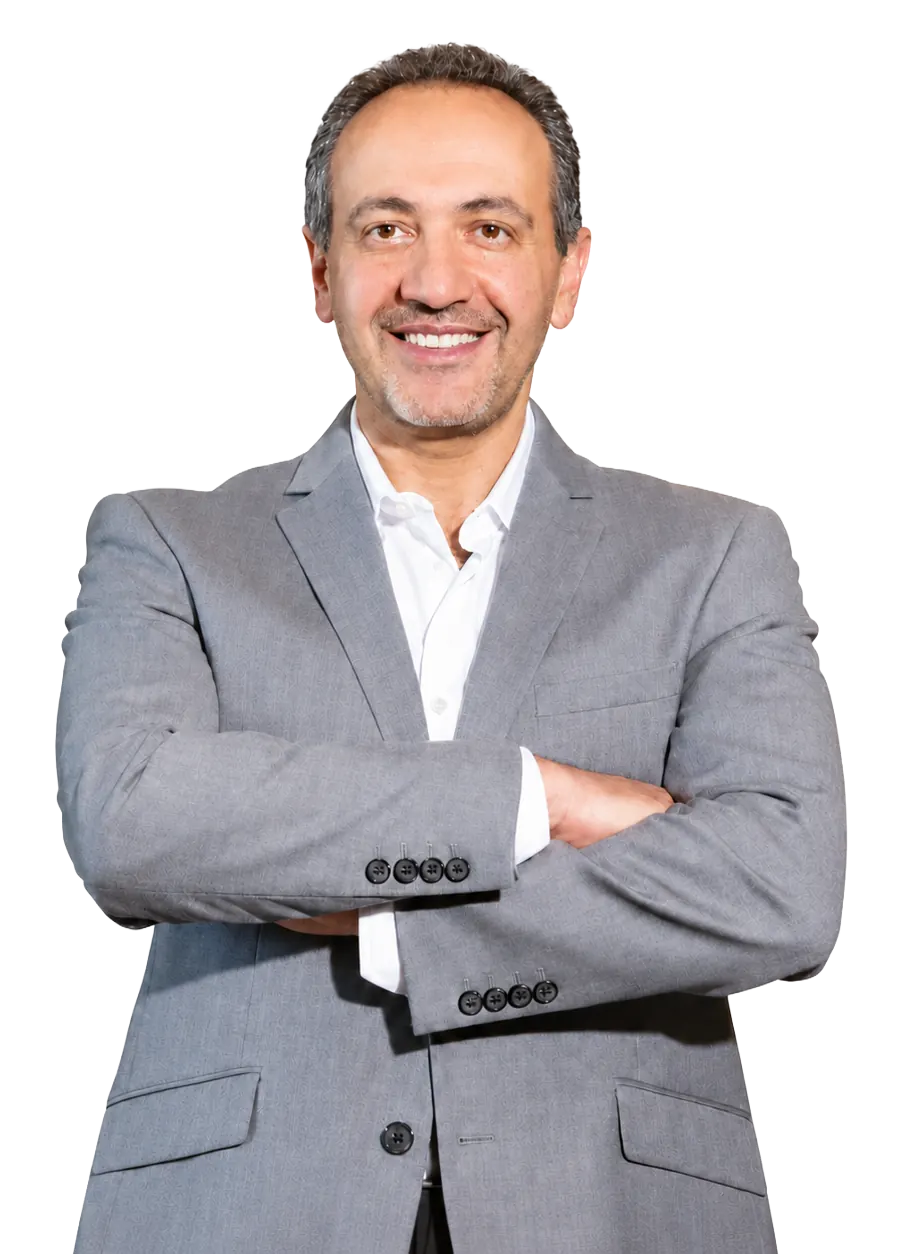
Your physician
Nearly thirty years of telling patients the truth about what works.
Founder of Los Angeles Heart Specialists in 1999, and author of The Honest Peptide Handbook 2027.
- Board certifiedInternal Medicine (1996) and Cardiovascular Disease (1999)
- FellowshipFellow of the American College of Cardiology (FACC)
- AcademicAssistant Clinical Professor, UCLA David Geffen School of Medicine
- RecognitionCastle Connolly Top Doctor since 2008. LA Magazine Super Doctor since 2010. LA Style Top 100 Doctors in America (2024)
- LanguagesEnglish, Farsi, Spanish
“I have watched miracle cures arrive with fanfare and leave quietly. I have also watched real breakthroughs get dismissed for years before the world caught up. Peptides are both stories at once.
I will tell you what excites me and what worries me. I will not sell you a vial, a stack or a discount code. You deserve a physician who respects your intelligence and your right to decide.”
Blessings, Ash
The Honest Peptide Handbook
A cardiologist’s evidence-graded guide to BPC-157, weight-loss peptides, stacking, safety and the new rulesAfshine Emrani, MD, FACC
The book behind the protocol
322 questions, answered honestly.
Most peptide content comes from enthusiasts selling vials or skeptics who stop at “no evidence.” This book takes the path a practicing physician would: here is the evidence, the law, the quality check, your better first steps, and when to stop.
- IThe foundations: the language and the math
- IIThe rules just changed: October 28, 2026
- IIIWhat’s really in the vial
- IVThe peptides, one by one
- VThe weight-loss peptides
- VIStart with your goal, not the vial
- VIIStacks, safety, cancer and the heart
- VIIIDosing and stacking like an expert
- IXYour plan: the 30-day workbook
- A–ZSeventy-three compounds in one compendium
Thirty days of what every peptide is trying to imitate.
Some people find they no longer need the vial. Others start a peptide trial with a cleaner baseline, which makes the result easier to read. Your checkmarks are saved in this browser only.
What patients ask first.
Something else on your mind? Call (818) 996-4100 or write to hello@theemraniprotocol.com.
Are peptides legal now?
Six peptides (BPC-157, TB-500, MOTS-c, Epitalon, KPV and Semax) can now be compounded by licensed pharmacies under a draft HHS policy, for specific routes, with a prescription written for you. That makes them more accessible. It does not make them approved, and the policy can change.
Do I need a prescription?
Yes. Compounding under the 2026 policy requires a valid prescription for a specific patient. A website that sells you a vial without a clinician ever evaluating you is not operating under that policy.
Will insurance pay?
For unapproved, compounded peptides, almost never; they are cash-pay. For FDA-approved drugs such as semaglutide and tirzepatide, coverage depends on your plan and diagnosis. Our office can check coverage and prior authorization.
Can I do this by telehealth?
For unapproved peptides, no. We want an exam where it matters, baseline labs, a clear pharmacy source and a reachable physician if you react. Care starts with an in-person visit in Tarzana.
I’m already using peptides I bought online. Will you judge me?
No. Doctors hear this every week now. Tell us plainly what, from where, for how long and how you’ve felt. We can only protect you from what we know.
Can I get the BPC-157 and TB-500 “Wolverine” blend?
Not as a premixed vial. Each compounded product may contain only one active ingredient, and blends hide which ingredient caused a reaction. No human study has tested the combination.
I’m an athlete. Does a prescription make it OK?
No. BPC-157 and TB-500 are prohibited by the World Anti-Doping Agency. A legal prescription does not make them permitted in tested sport.
Why does a cardiologist care about peptides?
Because some of them touch the heart. Growth-hormone peptides can cause fluid retention, bremelanotide can raise blood pressure, contaminated injections can infect heart valves, and anaphylaxis is far more dangerous in a thickened or diseased heart. If you have heart disease, a cardiologist belongs in the conversation.
Free tools
Mix it right. Ask anything.
The patient guide to mixing and measuring, with a syringe-unit calculator, and straight answers to the 100 questions people ask most.
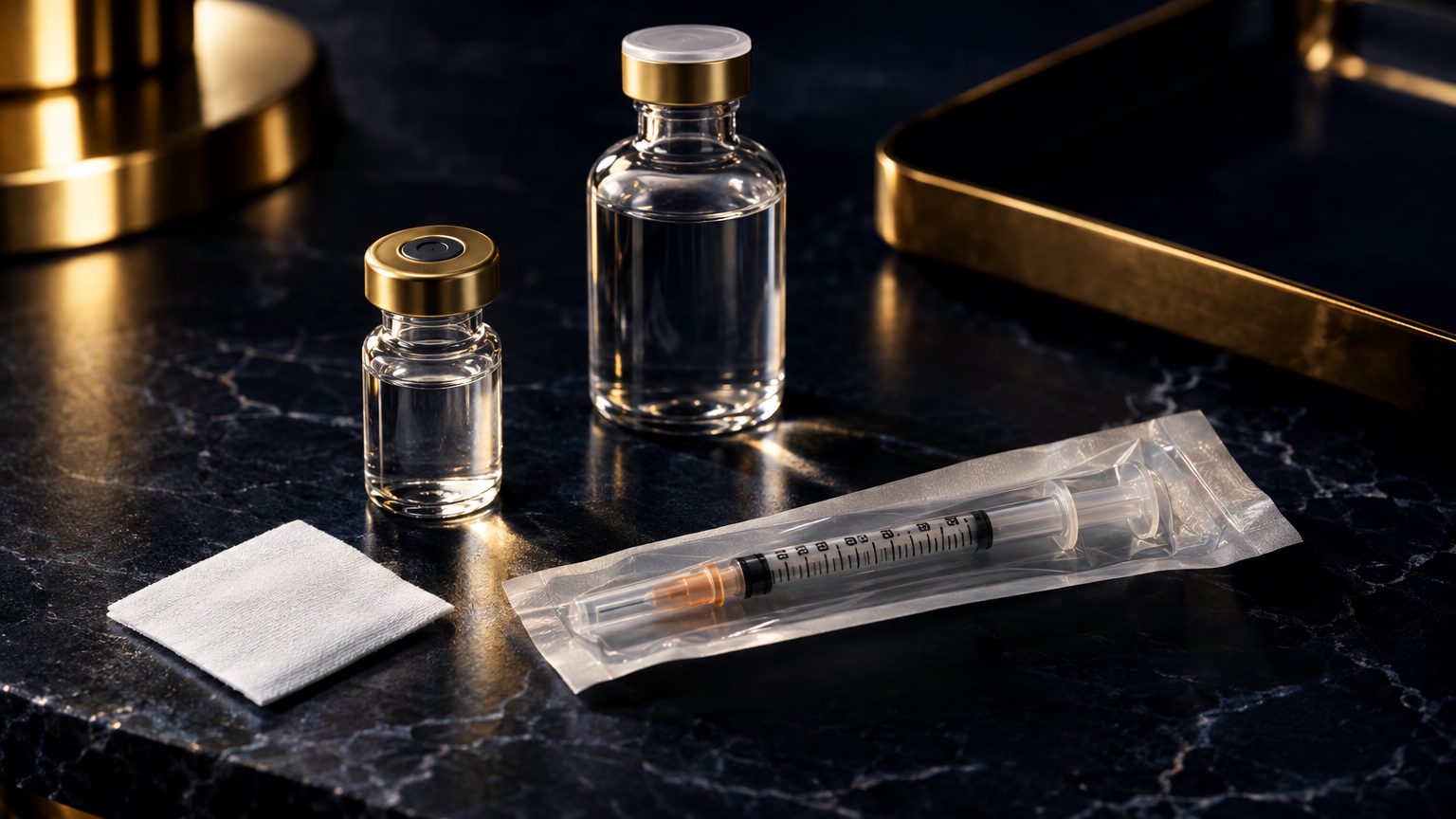
Mixing & protocol guide
Exactly how many units to draw.
Step-by-step mixing, an interactive dose calculator, injection technique, FDA label schedules and the full nine-step protocol.
Open the guide →
Top 100 questions
Search the questions everyone asks.
BPC-157, GLP-1s, muscle loss, the 2026 rules, cost. Answered by a cardiologist.
Tell us your goal in one sentence.
We’ll reply to schedule your consultation. Please don’t include medical details here; we’ll cover those privately at your visit.
Visit us in Tarzana
- Address
- 18370 Burbank Blvd, Tarzana, CA 91356
- Phone
- (818) 996-4100
- Hours
- Mon, Tue, Thu 8:00–5:00
Wed, Fri 8:00–2:30 - Payment
- Compounded peptides are cash-pay. Approved medicines may be covered by insurance.